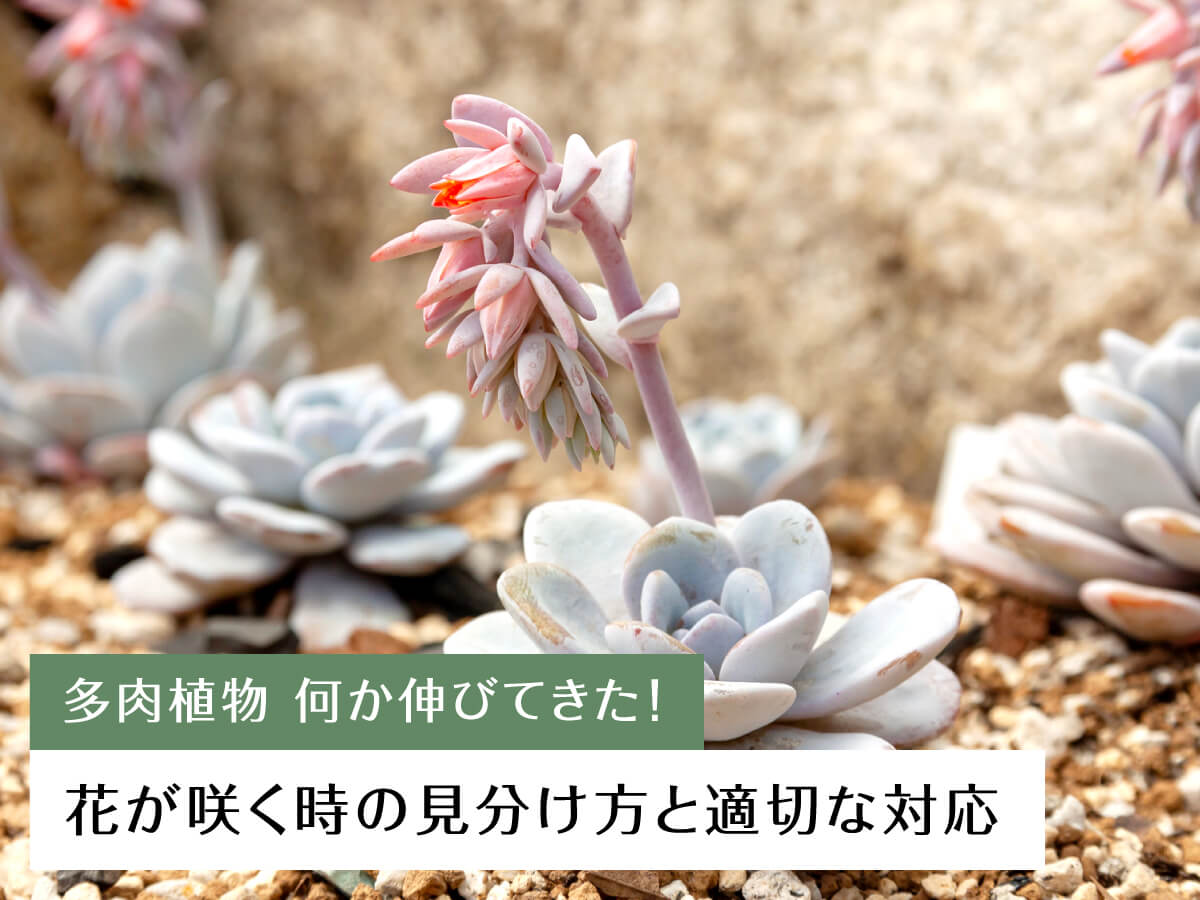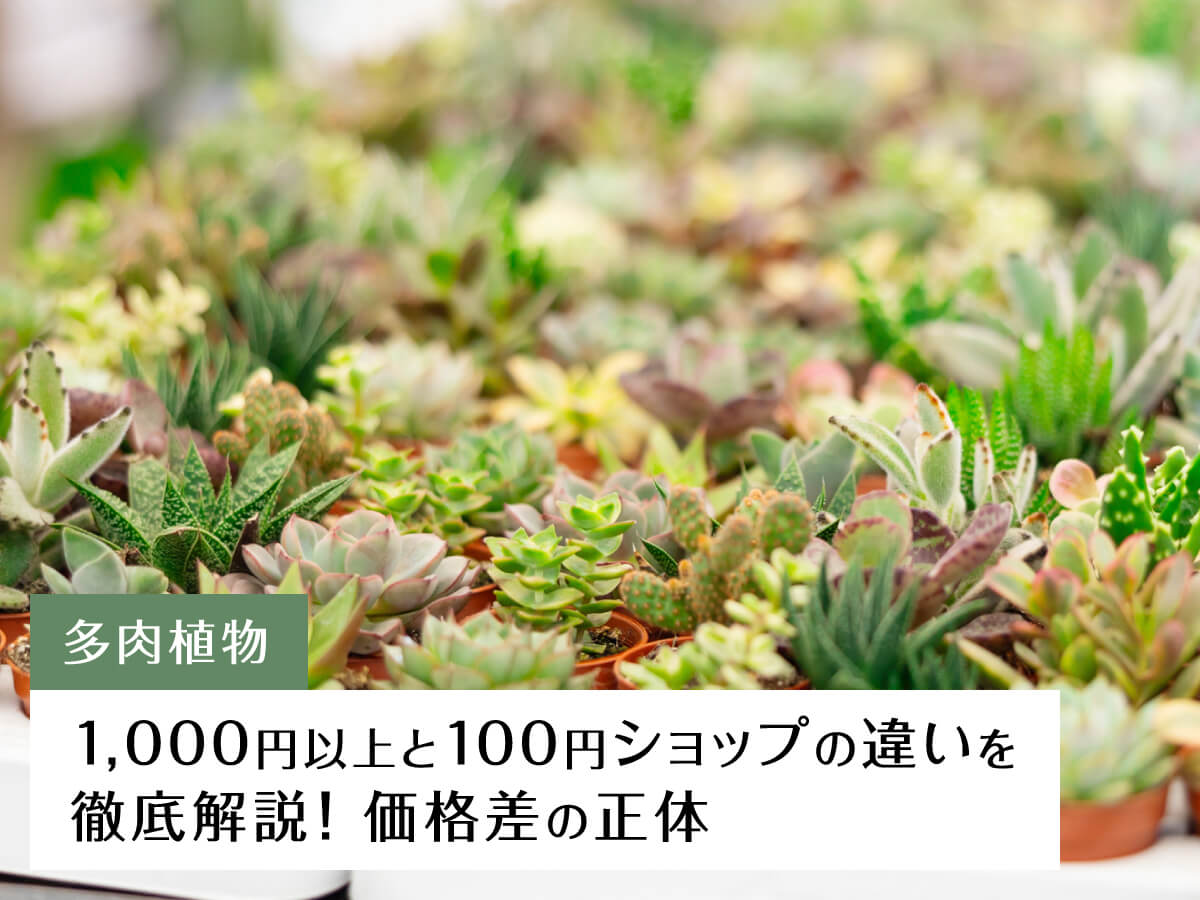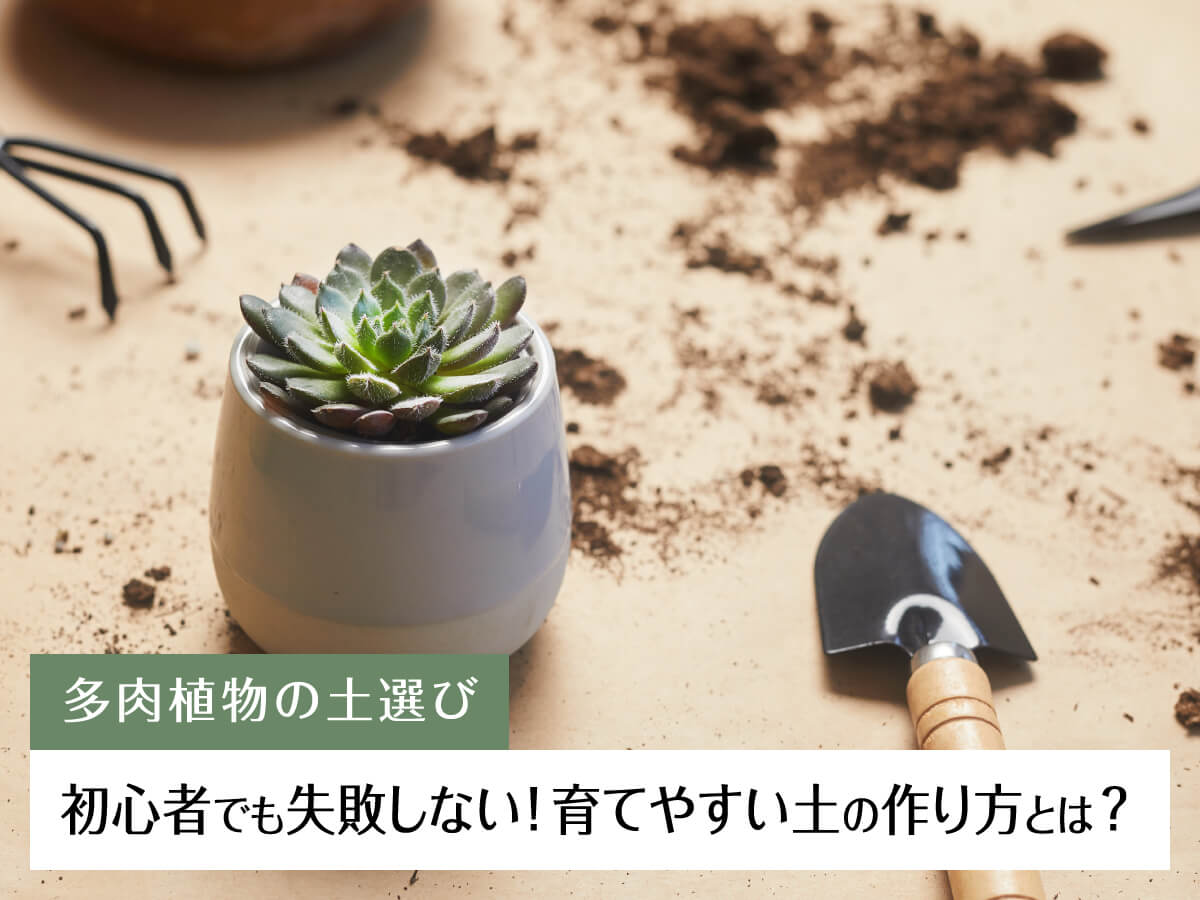
This article provides a detailed guide on choosing the ideal soil for succulents. It explains in an easy-to-understand way how to select and create soil so that even beginners can successfully grow succulents. Furthermore, specific cultivation techniques are introduced. After reading this article, your succulents are sure to grow well.
1. Introduction
Hello everyone. This time, we will delve into succulents, which are popular for their ease of care and vibrant appearance, focusing particularly on soil selection.
As their name suggests, succulents feature thick leaves and can be grown with relatively little effort. However, to maximize their ease of cultivation, selecting the right "soil" is crucial.
To ensure even first-time succulent growers succeed, we will cover the ideal soil characteristics, selection methods, and even how to make your own soil, among other things. If you're considering growing succulents, or if you've already started but want to learn more, please read on to the end.
2. What are Succulents?
Succulents refer to a group of plants characterized by their fleshy leaves and stems. They are highly drought-resistant and can survive with minimal water.
(1) Characteristics of Succulents
Succulents, as their name suggests, refer to a group of plants with thick, fleshy leaves and stems. Their unique shape and strong drought resistance are characteristic, making them popular among enthusiasts in Japan.
|
Characteristics of Succulents |
Description |
|---|---|
|
Fleshy leaves and stems |
The most noticeable feature of succulents, allowing them to store a lot of water. |
|
Drought resistance |
Can survive for long periods without water, due to the water stored in their fleshy parts. |
|
Diverse shapes |
Succulents come in various shapes, from round to star-shaped, and even flower-like. |
As mentioned above, succulents are ideal houseplants for busy modern people, as they can be enjoyed with little effort due to their characteristics. However, basic knowledge such as soil selection is still necessary.
(2) Types of Succulents and their Characteristics
There are many types of succulents, each with different characteristics. Below are some representative types and their characteristics:
1. 【Echeveria】 Evergreen, characterized by beautiful, rounded leaves. They prefer sunlight and are cold-hardy, making them suitable for cultivation regardless of region (though caution is needed if temperatures drop below 5 degrees Celsius).
2. 【Sedum】 Attractive for their diverse shapes and colors. Many varieties are relatively easy to grow, making them recommended for beginners.
3. 【Aeonium】 Both cold and heat tolerance are slightly weaker, so temperature management is necessary for these varieties. However, there are many types that grow large or branch out, offering various ways to enjoy them.
Understanding these characteristics and choosing the appropriate soil and care for each type is key to successful succulent cultivation.
Related articles here↓
Popular Echeveria Among Succulents! Introducing Its Types and CharacteristicsEcheveria 'Tivoli'

3. Basic Knowledge of Succulent Soil Selection
When growing succulents, one of the most important factors is soil selection. So, why is special soil necessary?
Succulents often inhabit dry and sandy areas in their natural environment, so they require soil that drains well and retains an appropriate amount of nutrients. Regular potting soil can lead to poor drainage and root rot.

(1) Why is special soil necessary?
Succulents, as their name suggests, are drought-resistant plants that store water in their fleshy leaves. However, they are prone to root rot if the soil does not drain well, which is why special soil is necessary.
|
General Plants |
Succulents |
|---|---|
|
Require moisture |
Prefer dry conditions |
|
Can grow in poorly draining soil |
Root rot occurs if soil is not well-draining |
Typical potting soil for houseplants has water-retentive properties. While this is good for general plants, for succulents, excess moisture can accumulate, leading to root rot. Therefore, succulents require soil that drains well and at the same time provides space for roots to grow properly.
(2) Characteristics of Soil Suitable for Succulents
Soil suitable for succulents primarily combines three elements: "drainage," "aeration," and "water retention."
First, there's 【drainage】. Succulents are prone to root rot, so they need well-draining soil. Maintaining appropriate moisture prevents root rot.
Next, 【aeration】. Succulent roots need oxygen, so soil that allows air circulation is ideal. Maintaining good aeration supports a healthy root system and promotes plant growth.
Finally, 【water retention】. While succulents are drought-tolerant, they still need some moisture. Choosing soil with good water retention allows for longer intervals between watering, reducing stress on the plant.
Soil that combines these three elements in a balanced way is considered suitable for succulents.
(3) Commercial Succulent Soil and its Features
Commercial succulent soil is a very convenient option for beginners. Specially formulated for succulents, it offers excellent aeration and drainage, making it ideal for growing succulents. Compared to general garden soil, it typically contains more sand, which contributes to its good drainage.
Below, we introduce some types of commercial succulent soil:
1. "Succulent Soil": Has a good balance of components and can be used with confidence by those growing succulents for the first time.
2. "Cactus Soil": Can also be used for succulents but is particularly suitable for cactus growth.
However, even when using commercial soil, it's important to understand the characteristics of various succulents and adjust watering and sun exposure accordingly. Also, as plants grow, it's a good idea to occasionally mix in some homemade soil.

4. How to Make Your Own Succulent Soil
Making your own succulent soil is very effective for promoting healthy plant growth.
(1) Required Materials
To make your own succulent soil, you may want to use the following types of soil:
-
Akadama soil: Soil suitable for growing succulents, excellent in drainage and aeration.
- Kanuma soil: It has high aeration and water retention. Since it contains almost no organic matter, it is less prone to mold and pests, making it suitable for growing succulents.
-
Pumice: It is porous and has excellent aeration, so mixing it with other soils improves aeration and drainage.
- Vermiculite: Made from minerals with a multi-layered structure, it retains appropriate moisture and nutrients and also has good drainage, making it a balanced soil.
-
Perlite: A type of mineral that enhances water retention and drainage.
- Peat moss: It has excellent water absorption and retention. Its high fiber content and porosity also provide good aeration, supplying sufficient oxygen to plant roots.
-
Rice hull charcoal: It is porous, improving drainage and aeration. It also enhances drainage and water retention, and has pest prevention effects.
Each material can be easily obtained at garden centers or home improvement stores. Also, the necessary materials and mixing ratio may vary depending on the type of succulent and how it is grown, so it is important to understand the characteristics of your succulent plants.


(2) Soil Mixing
When creating soil for succulents, it's crucial to tailor it to the specific type of succulent and its growing environment. A common base mix involves Akadama soil, Kanuma soil, and pumice.
For succulents like Sedum that prefer nutrients or succulents you want to grow large, you can create a more suitable soil mix by blending gardening soil (potting soil) into the basic mix mentioned above, or by adding slow-release fertilizer.
The ratio of soil mixture varies greatly. Finding the optimal blending ratio by adjusting for better water retention, improved drainage, or adding nutrients to suit your growing environment is one of the joys of cultivating succulents.
(3) Advantages and Disadvantages of Custom Soil Mixes
"Making your own succulent soil" has both advantages and disadvantages.
【Advantages】
-
Cost-effectiveness: Can be made more cheaply than commercial products. Also, if a large quantity is needed, you can adjust it yourself, making it economical.
-
Flexibility: You can choose the materials yourself, allowing customization to suit the plant's condition and your preferences.
【Disadvantages】
-
Effort: Requires the effort of gathering and mixing materials yourself. Also, if material selection fails, the plant may not grow.
-
Knowledge: Specialized knowledge is required, such as the properties of materials and the ratio in which they should be mixed.
Considering the above, whether to make your own or use commercial products should be decided based on time, knowledge, and cost.
5. Choosing Pots and Repotting Succulents
(1) Characteristics of Pots Suitable for Succulents
The ideal pot for succulents is made of a material that provides good aeration and drainage. Pots made of ceramic or terracotta are particularly suitable for growing succulents due to these properties.
The size of the pot is also an important factor. Succulents tend to have shallow, spreading roots, so it is best to choose a pot with a wider base rather than a deep one.
Furthermore, it is desirable for the pot to always have a drainage hole at the bottom. This allows excess water to escape, preventing root rot. Below is a table summarizing the characteristics of pots suitable for succulents.
|
Feature |
Description |
|---|---|
|
Material |
Ceramic or terracotta, with high breathability and drainage |
|
Size |
A pot with a wide bottom surface, suitable for succulents with shallow, spreading roots |
|
Bottom hole |
Drains excess water and prevents root rot |
Related articles here↓
5 Key Points for Successful Succulent Pot Selection: A Detailed Guide from Choosing to Arranging

(2) Timing and Procedure for Repotting
Generally, the best time to repot spring/autumn-type succulents (those that grow in spring and autumn and slow down in summer and winter) is in spring and autumn, in line with their growth cycle. Since they rest in winter and begin active growth in spring, repotting at this time allows them to start new growth in a good environment.
【Procedure】
-
Remove the succulent from the pot: First, gently loosen the soil and remove the plant from the pot.
-
Remove old soil: Gently remove the old soil from the roots. You can also remove any old roots along with the soil.
-
Plant in new soil: Place the plant on the prepared new soil and mound soil around the base, covering the roots thoroughly. It is important to ensure the roots are not exposed to air.
-
Watering: After repotting, water sparingly until the soil settles. Wait about a week for the plant to adapt to its new environment. (Many cultivation methods also suggest watering immediately after repotting.)
By following these steps, your succulents will grow healthily in their new environment.
Related articles here↓
[Succulent Repotting] Thorough Explanation of Timing, Method, and Tips! Secrets to Success Revealed

(3) Post-Repotting Care
Post-repotting care is essential for maintaining succulent health. First, refrain from watering immediately after repotting and wait about a week for the plant to acclimate to the new soil. During this period, succulents are susceptible to stress, and excessive moisture can lead to root rot.
Thereafter, provide an appropriate amount of water each time the soil surface dries. While succulents are drought-tolerant, they are also sensitive to overwatering, so proper hydration is crucial.
Also, use the appropriate amount and frequency of fertilizer according to the succulent type. However, refrain from using fertilizer immediately after repotting and during winter.
The overall care points are summarized in the table below.
|
Item |
Content |
|---|---|
|
Watering |
Appropriate amount each time the soil surface dries |
|
Fertilizer |
Use slow-release fertilizer or similar depending on the type (refrain in winter) |
|
Light |
Prefers bright locations |
By following these proper care practices, you can help your succulents grow vigorously.
Related articles here↓
"Succulent Watering" - How to Avoid Failure? Expert Tips for Watering
6. Summary: How to Choose and Make Succulent Soil Without Fail
Here are the basic points for choosing and making soil for succulents.
①For succulents, drainage and aeration of the soil are crucial. Therefore, while choosing commercially available succulent soil is an option, if you decide to mix your own, combine materials like akadama soil, kanuma soil, and pumice effectively.
②Unglazed terracotta pots are ideal. They absorb excess moisture, which helps prevent root rot.
③While spring is the optimal time for repotting, do so as needed if the roots stop absorbing water or begin to grow out of the pot.
By keeping these points in mind, even beginners can successfully grow succulents.
Click here for tawawa's online shop
where you can find a wide variety of adorable succulents!↓

Please take a look!