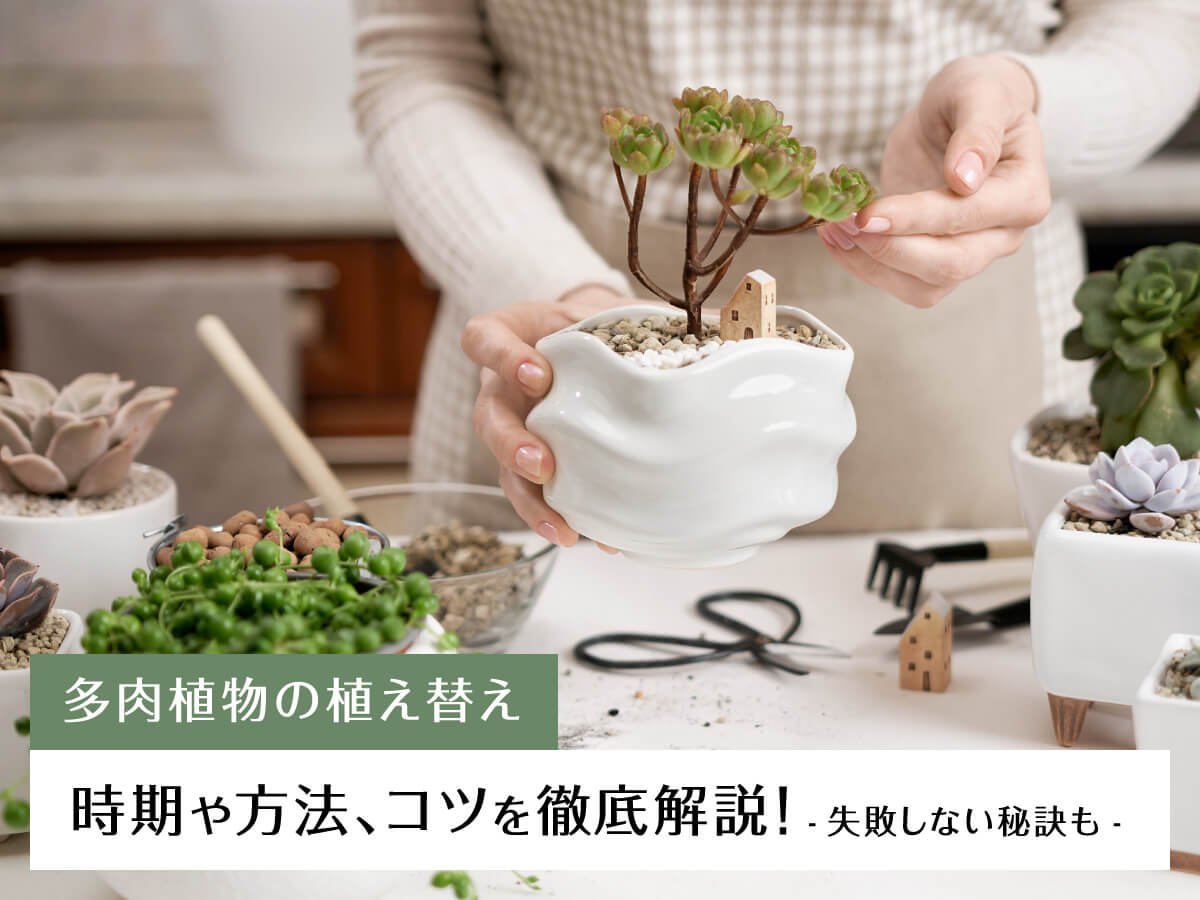
This article provides a detailed explanation of repotting succulents. It offers useful information for beginners and experienced growers alike, including the appropriate timing and methods, as well as tips to avoid mistakes.
1. Introduction
Succulents are particularly popular among plants. Their appeal lies not only in the rich variety of shapes and colors but also in their ease of cultivation. However, to bring out their inherent beauty and cultivate them healthily, "repotting" is a crucial step.
Repotting helps to maintain a good growing environment for succulents, prevents root-bound conditions and soil degradation, and promotes further growth. However, if done incorrectly or at the wrong time, it can potentially harm the succulent's health.
This article thoroughly explains the basic methods, tips, and secrets to successful succulent repotting. Even beginners should be able to confidently grow succulents after reading this. Furthermore, we will introduce stylish ways to create arrangements and decorations, as well as propagation techniques, to help you enjoy your succulent life even more.
2. What are Succulents?
Succulents, as their name suggests, are a general term for plants with "fleshy leaves and stems." They are named this way because they have the characteristic of storing plenty of water in their bodies to survive in dry environments.
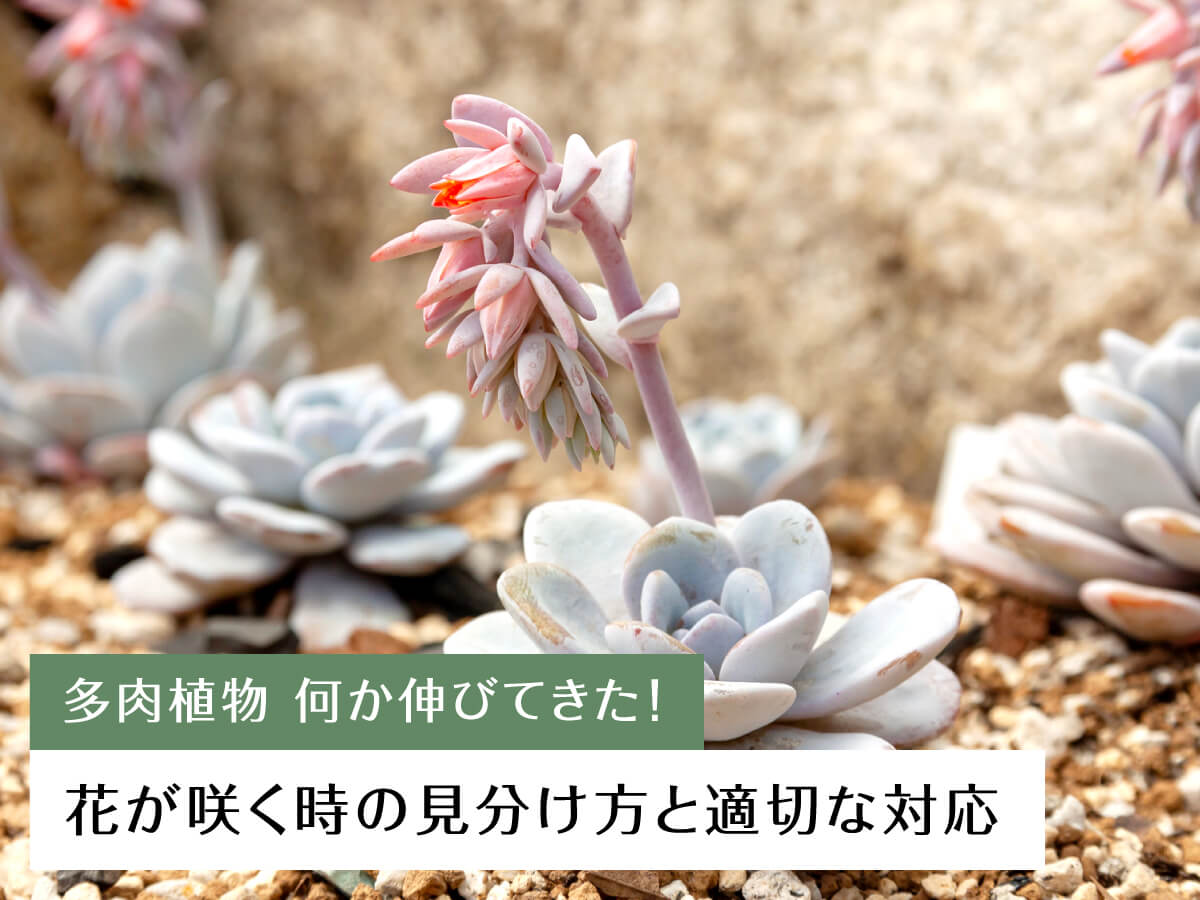
There are a vast number of species, with over 10,000 believed to exist. Among them, a representative type is "Echeveria." Echeveria is characterized by beautiful rosette-shaped leaves and comes in a rich variety of colors.
In addition to their aesthetic beauty, succulents are also appealing because they grow relatively quickly and are easy to propagate. They are popular as houseplants because even beginners can easily grow them.
From now on, we will delve into the details of repotting succulents.
Related articles here↓
Popular Echeveria among succulents! Introducing its types and characteristics
(1) Representative species such as Echeveria
There are various types of succulents, and among them, we will introduce the particularly popular "Echeveria" genus. The Echeveria genus is a group highly favored by enthusiasts due to its beautiful leaf shapes and colors.
【Characteristics of the Echeveria genus】 The Echeveria genus is mainly native to Mexico and comprises about 180 species. Most of them have a rosette shape, and they are spring/autumn growing succulents. They also have a very rich variety of leaf thickness, texture, and colors, allowing for easy enjoyment of various variations.
【Representative species】 The table below summarizes the representative species of the Echeveria genus.
|
Type |
Characteristics |
|---|---|
|
Echeveria lilacina |
Characterized by blue-green, gently curled leaves. |
|
Echeveria elegans |
Beautiful pale pink leaves when autumn-colored. |
|
Echeveria laui |
Characterized by plump, fleshy leaves covered in powder. |
These species each have distinct characteristics, making them easy to choose from. While this article focuses on repotting, the basic care methods are common to all types.

3. Basic Knowledge Required for Succulent Growth
Succulents are characterized by their fleshy leaves that store water, but their growth requires specific conditions.
First, succulents need a lot of light. At least half a day of direct sunlight is appropriate, and if sufficient light cannot be secured, the colors may fade or the plant may become leggy.
Next is water management. Although they are drought-tolerant, proper watering is necessary. Water thoroughly when the soil is completely dry. On the other hand, be careful of overwatering, as it can cause root rot.
And temperature control is also an important point. Generally, 15℃ to 28℃ is considered ideal. Particular attention is needed for low temperatures in winter, as damage can occur below 5℃.
These are the basic growing conditions for succulents. By providing proper care, you can enjoy beautiful succulents for a long time.
Related articles here↓
Do you know where to place succulents? The reason why "outdoors" is optimal.
(1) About light, water, temperature, etc.
Succulents are plants that love sunlight. It is ideal to grow them in a place with appropriate direct sunlight, but continuous strong sunlight all day can damage the leaves. Receiving gentle morning sunlight contributes to healthy growth.
Regarding watering, it is important to water thoroughly when the soil is completely dry. While succulents are drought-tolerant, poor drainage or excessively moist conditions can lead to root rot.
Regarding temperature, most succulents are sensitive to cold. During winter, it is ideal to manage them indoors in a warm environment, ensuring they are protected from frost. However, some hard-leaved succulents are cold-hardy, so check the cold tolerance for each type before managing them.
(2) What is an ideal growing environment?
Succulents generally prefer environments with good sunlight and ventilation. It is important to place them in a bright spot where they receive as much direct sunlight as possible. However, strong summer sunlight can cause leaf burn and heat damage, so move them to a shaded area during the strong afternoon sun.
Also, well-draining soil is suitable. Specifically, using potting soil designed for succulents helps maintain moisture and aeration, preventing root rot.
Regarding temperature, generally, 15°C to 25°C is optimal. In cold regions, winter management is key. Consider frost protection measures or moving them indoors.
These are the conditions for an ideal succulent growing environment. By considering these and managing them according to your lifestyle, your succulents should thrive.
4. Reasons Why Succulents Need Repotting
Repotting succulents is primarily done for the following two reasons. Repotting at the appropriate time is essential for maintaining succulent health and promoting growth.
Related articles here↓
【Choosing Soil for Succulents】Beginner-Friendly! How to Make Easy-to-Grow Soil.
(1) Effects of Root-Bound Conditions and Soil Degradation
As succulents grow, they may outgrow their pot, leading to "root-bound" conditions where roots emerge from the bottom of the pot. This stresses the succulent and hinders its growth.
Furthermore, if the soil degrades, its drainage may worsen or essential nutrients may become deficient. As a result, it becomes difficult for the succulent roots to remain healthy, making regular repotting necessary.
【Effects of root-bound conditions】 When a plant is root-bound, its roots cannot spread freely within the pot, and their ability to absorb water and nutrients decreases. As a result, growth may stagnate or leaves may turn yellow.
【Effects of soil degradation】 When soil degrades, the supply of water and nutrients is interrupted, threatening the health of succulents. In particular, decreased drainage can cause root rot.
To prevent these problems, repotting at the appropriate time and with the correct method is essential for maintaining the health of succulents.
(2) Ensuring Room for Growth
Succulents continue to grow in their pots, and as they grow, their roots also spread. This can lead to the pot becoming cramped and the plant becoming root-bound. This root-bound condition negatively affects the plant's health and hinders its growth, making repotting at the appropriate time crucial.
Specifically, the following situations indicate a need to ensure room for growth:
|
Situation |
Details |
|---|---|
|
Roots extending beyond the pot |
This is the most obvious sign of a root-bound plant. It indicates that there is no more space for growth. |
|
Stagnant growth |
If there isn't enough space for the roots to spread, the plant's growth will also halt. |
When you observe these situations, repot early to ensure new growth space. This will allow the succulent to continue growing healthily.
5. Appropriate Timing for Repotting
The appropriate time for repotting succulents is primarily in the spring. This period, when a new growing season begins and active growth occurs, is ideal for refreshing the root system while minimizing stress. Since Echeveria's growing season is spring and autumn, spring and autumn are suitable for repotting Echeveria.
However, the appropriate timing can vary depending on the growing environment and the type of succulent. Succulents are classified into three types based on their growing season.
Below are the seasons and their classifications:
|
Season |
Characteristics |
|---|---|
|
Spring/Autumn Type |
Grows in spring and autumn, slows down in summer, and goes dormant in winter. Mainly Echeveria and Sedum. |
|
Summer Type |
Grows in summer, slows down in spring and autumn, and goes dormant in winter. Mainly Kalanchoe and Agave. |
|
Winter Type |
Grows in winter, slows down in spring and autumn, and goes dormant in summer. Mainly Aeonium and Lithops. |
Considering these characteristics, please determine the optimal repotting time while observing the plant's health and growing environment.
Impact of Season and Growing Environment
The suitable period for repotting succulents is from spring to autumn, avoiding winter. Specifically, spring (April-May) and autumn (September-October) are considered optimal. This is because succulents are active during these seasons. Winter is a dormant period, and repotting would place a significant burden on the plant, so it should be avoided.
6. Preparation for Repotting
Before repotting, gather the necessary tools and materials. Basically, you will need: ① a new pot, ② potting soil, and ③ tools such as a trowel or gloves.
Related articles here↓
5 Tips for Choosing a Succulent Pot without Failure? Detailed Explanation from Selection to Placement
(1) Required Tools and Materials
To repot, you will need the following tools and materials:
① New pot: Choose one that is one size larger than the original pot. Ceramic is recommended. It drains well and is suitable for adjusting humidity, which succulents prefer.
② Potting soil: Commercial succulent-specific potting soil is ideal. It should be well-draining to prevent root rot.
③ Securing material: Stones or gardening pins are needed to stabilize the plant once settled.
④ Tools: Tweezers, gloves, scissors, etc., are needed. Be careful with sharp objects to avoid damaging the plant.
Once these tools and materials are prepared, all that's left is to proceed carefully with the task.

(2) Choosing a Container
Choosing an appropriate container for repotting succulents is an important step in promoting healthy growth. Here are some key points:
1) Material: Choose a material with good breathability and drainage. Ceramic or terracotta are recommended. Plastic is also lightweight and easy to handle, but it drains less effectively than ceramic.
2) Size: Succulents have shallow roots, so if the pot is too deep, drainage will be poor. Aim for a pot approximately 2 to 3 times the diameter of the plant.
3) Hole: Ensure there is a drainage hole at the bottom. This promotes good drainage and prevents root rot.
Based on these points, choose a container that suits your preferences and growing environment. With proper care, plants are hardier than they appear. Help your succulents grow even better by choosing the right container.
7. How to Repot Succulents
When repotting succulents, it's crucial to follow the correct procedure to minimize stress on the plant.
For Echeveria, first, withhold watering for several days to a week before repotting.
Steps from removing soil to planting
First, prepare a new pot and specialized soil before repotting. Choose a new pot that is one size larger than the old one. Then, prepare potting soil specifically for succulents.
-
Remove the plant from the old pot: First, take the succulent out of its old pot.
-
Remove the soil: Remove the old soil from the roots of the succulent you've taken out. It's a good idea to remove old, dead roots as well.
-
Plant in the new pot: Lay drainage stones at the bottom of the new pot, then add new soil. Place the succulent in the center, add more soil until the roots are covered, then shake the pot or gently press the soil to ensure the soil fills the spaces between the roots.
-
Watering: Finally, water the repotted plant to ensure moisture and oxygen reach the roots thoroughly.
These are the basic repotting steps. Following these will help ensure healthy growth for your succulents.


8. Post-Repotting Care
After repotting, proper care is crucial for succulents to adapt to their new environment and grow healthily.
【Post-repotting care flow】
-
Immediately after repotting: Withhold watering
(*Many growers also water immediately, so either is fine) -
1 week after repotting: First watering
-
Thereafter: Water based on soil dryness
-
Check for growth: Appearance of new leaves, growth of new roots
By maintaining this kind of care, succulents will grow steadily and maintain their beautiful appearance for a long time.
(1) Timing and Amount of Watering
For succulent watering, the dryness of the soil is key. Generally, it is recommended to water when the soil is completely dry. Also, "thorough watering," where a generous amount of water is given at once, is suitable for succulent growth.
【Table 1. Watering Tips】
|
Point |
Description |
|---|---|
|
Timing |
When the soil is completely dry |
|
Method |
Plenty at once |
After repotting, to help the plant acclimate to its new environment, refrain from watering for the first few days and only water when the soil is dry. This ensures that the roots firmly take hold in the new soil and can absorb moisture properly.
Keep these points in mind and water your succulents appropriately, observing the condition of each plant.
(2) Key points to check for growth
To check the growth of your succulents, pay attention to the following three points:
-
Appearance of new shoots: Healthy succulents will produce new shoots after repotting. Check the color, shape, and size of these new shoots.
-
Leaf color and shape: If the leaves are dark green and plump, the plant is growing vigorously. Conversely, if the leaves turn yellow or become shriveled, it may indicate a lack of water or fertilizer.
-
Root condition: Observe the roots when repotting or watering. White or light-colored, firm roots are a sign of good health.
By regularly checking these points and providing the necessary care, your succulents can be grown beautifully for a long time.
9. Possible problems and solutions after repotting
After repotting succulents, problems such as wilting or root rot can occur.
Related articles here↓
[Why Succulents Wither] Care Methods and Revival Tips for Beginners
(1) Symptoms and countermeasures for wilting, root rot, etc.
Reasons why succulents wither include insufficient or excessive watering, lack of sunlight, and temperature fluctuations. First, review your watering frequency and amount, and the duration of sunlight. The basic rule is to provide at least 3 hours of sunlight per day and water thoroughly when the soil is dry.
Furthermore, the main causes of root rot are excessive watering and poorly draining soil. Review your watering habits and choose soil suitable for succulents.
In addition, diseases and pests can also have an impact. If you notice any black spots or insects, prompt action is required. We recommend using commercially available pesticides or consulting with a specialist.
By maintaining a comfortable growing environment and providing proper care, your succulents will grow beautifully without withering.
(2) About pest and disease prevention
After repotting succulents, it's important to care for them to prevent problems caused by pests and diseases.
First, water moderately and manage the soil moisture. Excessive moisture can lead to rot and cause pests and diseases.
Next, to prevent insect infestations, we recommend regularly checking the condition of the plant. Look closely at the undersides of leaves and stems to see if there are any insects.
In addition, using a dedicated insect repellent spray is also an effective measure. However, use it minimally and in appropriate amounts for the plant.
Furthermore, if pests or diseases occur, take action as soon as possible. Refer to the table below for specific countermeasures.
|
Pest/Disease |
Countermeasure |
|---|---|
|
Aphids |
Use a dedicated pesticide and eradicate promptly |
|
Mealybugs |
Scrub off with a stiff brush and eradicate with pesticide |
|
Mites |
Avoid high temperatures and dryness, and eradicate with pesticide |
By following the above prevention and countermeasures, your succulents will grow healthily.

10. Succulent arrangements and decorative ideas
Arranging various types of succulents in one pot creates visual richness and diversity, expanding the ways you can enjoy them as interior decor.
First, choose succulents suitable for an arrangement. Selecting varieties with similar growth rates, water needs, and sunlight requirements will make overall management easier.
Next, here are some tips for placement. Arrange a larger "main" succulent in the center, and then surround it with smaller "supporting" species or those with different colors and shapes to create a balanced and attractive display.
Also, succulents can be grown in various containers. Using glass jars, pottery, or driftwood can add even more originality to your display.
Related articles here↓
[A Must-See for Beginners] Succulent Arrangement Beginner's Guide: Start from the Basics!

(1) Enjoying them as interior decor
Succulents, with their unique shapes and colors, are charming and can be enjoyed in various ways as interior decor. By placing them in everyday spaces like the living room, kitchen, or balcony, you can bring a touch of nature into your living environment. (※Most succulents are not suitable for indoor cultivation. For more details, please refer to another blog post.)
Arranging multiple varieties together is particularly recommended. When succulents of different shapes and colors are brought together, a small world unfolds. Not only is it soothing to look at, but you can also enjoy observing their growth.
Why not start with some color schemes and arrangement ideas like the ones below?
|
Color Scheme |
Arrangement Key Points |
|---|---|
|
Monochromatic |
Gather different types and shapes |
|
Contrasting colors |
Vary size and height in placement |
|
Pastel colors |
Focus on uniquely shaped plants |
Incorporating succulents into your interior decor will surely enrich your daily life.
(2) Recommended arrangement examples
Succulents come in a wide variety of shapes and colors, allowing you to create beautiful miniature gardens by planting several types together in one pot.
-
Colorful arrangements: Combining red, yellow, blue, and other brightly colored succulents allows for vivid arrangements that catch the eye. The key here is to consider the color scheme.
-
Arrangements focusing on shape: Choosing succulents with different spherical or leaf shapes and arranging them to highlight their individual forms creates an interesting arrangement with a three-dimensional feel.
-
Arrangements with varying heights: It's also recommended to create a three-dimensional garden by using pots or stones to create differences in height. This adds visual appeal.
A word of caution when arranging is to choose varieties that thrive under similar conditions. If you plant succulents with different environmental preferences together, one of them may struggle to grow.
11. How to propagate succulents
Succulents, with their abundant varieties and enduring popularity, offer diverse ways to enjoy them, including propagating them yourself. Succulents can be propagated by leaf cuttings, stem cuttings, or division.
By using these methods, you can experience the joy of growing your own unique succulents. However, since all methods can potentially damage the plant, careful work and care are necessary.
Related articles here↓
"Succulents" Propagate by Leaf Cuttings! Tips and Procedures to Avoid Failure
(1) Methods for leaf cuttings, stem cuttings, and division
Succulents can generate new individuals from their leaves and stems. Here are the methods:
-
Leaf Cuttings: Ensure the leaf is healthy, then gently remove it from the base of the plant. Place it on dedicated growing soil and manage it in a semi-shaded or bright shaded area.
-
Stem Cuttings: This method involves cutting a section of the stem. Use a sharp utility knife or scissors, making sure to cut cleanly so the cut end is flat. Then, insert it into growing soil.
-
Division: Large, mature succulents can be divided. Separate a cluster from the original plant and transplant it into a new pot.
The appropriate method varies depending on the type of succulent, so please research the specific procedure for each variety before proceeding.
12. Summary and Next Steps
Through this article, we hope you have deepened your understanding of repotting succulents. What may seem difficult at first, repotting can be successfully done by anyone with proper knowledge and procedures.
In addition to repotting, we also introduced proper care, propagation methods, and ways to enjoy them. Utilize this information to lead a richer succulent life.
Next steps could include searching for new types of succulents to try, starting with leaf cuttings, or sharing the charm of succulents with people around you.
Succulents, with their diversity and beauty, bring new discoveries and joy every day. We hope your succulent life continues to be rich and enjoyable.
Many lovely succulents available
Click here for tawawa's online shop↓

Please take a look!